
What is Digital Marketing? A Complete Guide for Beginners
In today’s fast-paced digital age, businesses are shifting their focus from traditional advertising to digital marketing—and for good reason. But what exactly is digital marketing, and why is it so crucial for businesses of all sizes?
Understanding Digital Marketing
Digital marketing refers to all marketing efforts that use the internet or electronic devices to promote products and services. It encompasses a wide range of tactics and channels such as websites, search engines, social media, email, and mobile apps.
In essence, if your marketing campaign involves digital communication, it falls under the umbrella of digital marketing.
Why Digital Marketing Matters
Here are just a few reasons why digital marketing is essential:
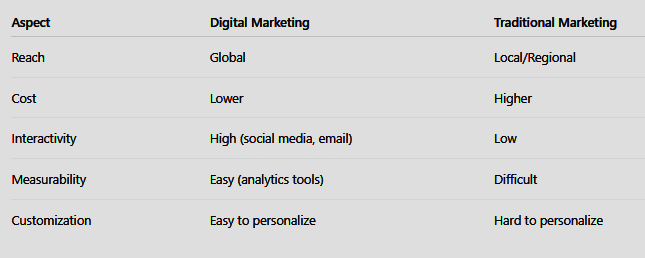
Cost-Effective: Compared to traditional marketing methods, digital marketing often delivers a higher ROI with a smaller budget.
Measurable Results: Digital tools let you track performance in real-time, enabling data-driven decision-making.
Wider Reach: Connect with your target audience wherever they are in the world.
Personalization: Customize messages based on customer behavior, preferences, and interactions.
Key Types of Digital Marketing
1. Search Engine Optimization (SEO)
SEO is the process of optimizing your website to rank higher on search engine results pages (SERPs), driving organic traffic to your site.
2. Content Marketing
This involves creating and distributing valuable content to attract and engage a clearly defined audience. Examples include blog posts, videos, infographics, and eBooks.
3. Social Media Marketing
Promoting your brand and engaging with your audience on platforms like Facebook, Instagram, LinkedIn, and Twitter.
4. Pay-Per-Click Advertising (PPC)
PPC is a model of internet marketing where advertisers pay a fee each time one of their ads is clicked, often through platforms like Google Ads or Bing Ads.
5. Email Marketing
Sending personalized emails to nurture leads, promote products, or share valuable content with your audience.
6. Affiliate Marketing
Partnering with other individuals or companies to promote your product and reward them with a commission for each sale or lead they generate.
Digital Marketing vs. Traditional Marketing
Final Thoughts
Digital marketing is more than just a trend—it’s a necessity. Whether you’re a startup, small business, or large enterprise, leveraging digital channels is key to reaching today’s connected consumers.
By understanding what digital marketing is and how it works, you can start building strategies that drive real business results.
Want to Learn More?
Stay tuned to our blog for in-depth guides on SEO, social media strategies, content planning, and more.